






File:Enterclimate (23).png
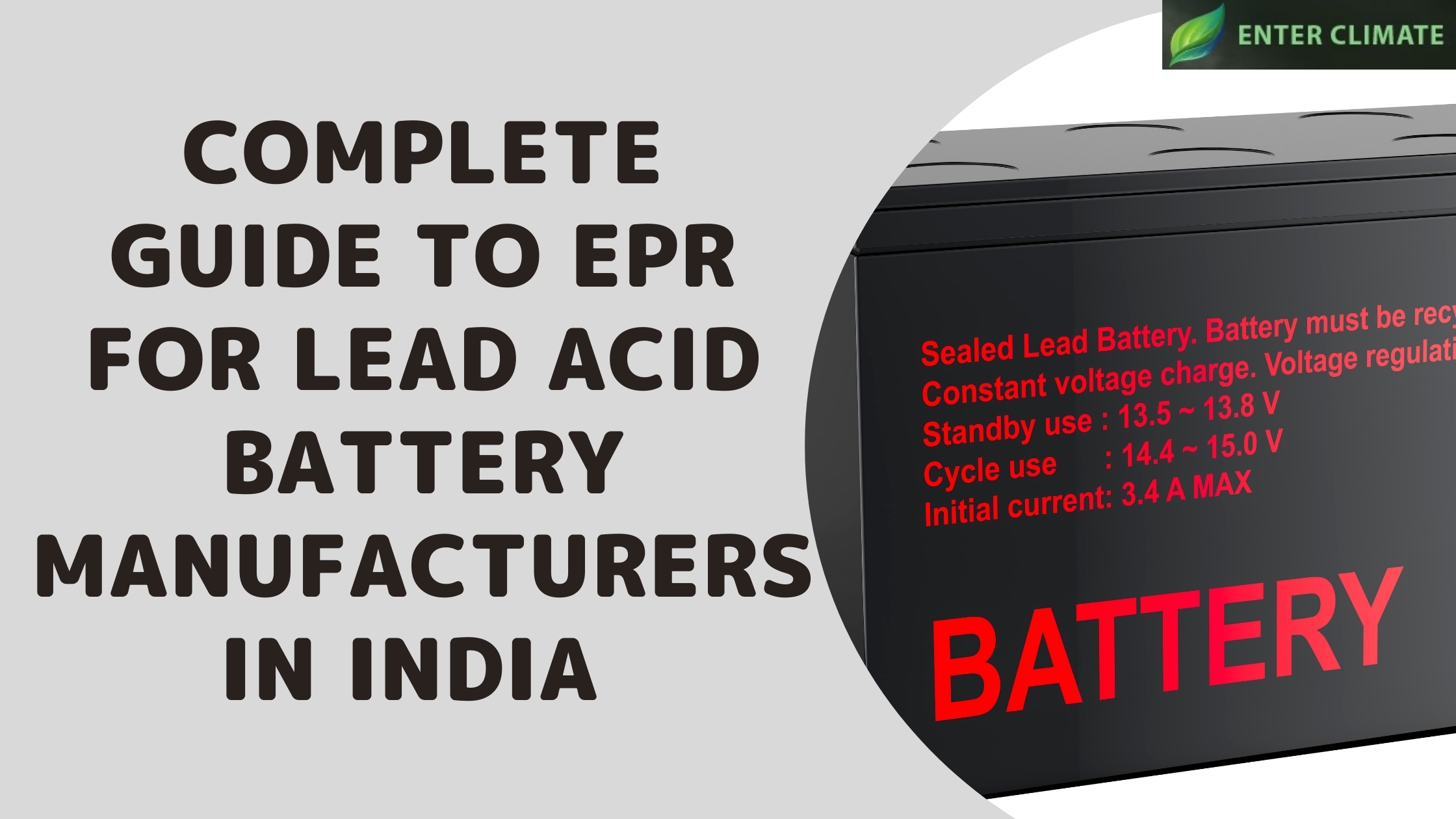
Size of this preview: 800 × 450 pixels
.png)
If you have ever seen a car battery, you already know what a lead acid battery looks like. It is heavy, powerful, and very useful. These batteries are used in cars, trucks, inverters, telecom towers, and even solar systems.
But have you ever thought about what happens when these batteries get old and stop working?
They become dangerous waste.
Yes, used lead acid batteries contain lead and acid, which can harm people, animals, soil, and water if not handled properly. That is why the Government of India has made strict rules for companies that make or sell these batteries.
This is where EPR for Lead Acid Battery Manufacturer becomes very important.
[edit] What is EPR?
EPR means Extended Producer Responsibility.
If you make a battery, you are also responsible for collecting it back after it becomes waste.
This rule makes sure that companies:
- Collect old batteries
- Send them for recycling
- Prevent pollution
- Protect the environment
In India, these rules are controlled by the Central Pollution Control Board (CPCB).
[edit] What is EPR for Lead Acid Battery Manufacturer?
EPR for Lead Acid Battery Manufacturer means:
If you manufacture, import, or sell lead acid batteries in India, you must:
- Register with CPCB.
- Create a plan to collect old batteries.
- Send used batteries to authorized recyclers.
- Submit yearly reports.
This ensures that used batteries are recycled safely instead of being thrown into open land or water.
[edit] Why is EPR Important?
Let’s understand with a simple example.
Imagine someone throws old batteries in a field. The acid leaks into the soil. Then plants grow there. Animals eat those plants. Humans eat those animals or crops.
Now the poison enters the food chain.
That is why EPR is very important. It:
[edit] Who Needs EPR Registration?
You need EPR registration if you are:
If you fall into any of these categories, you must apply under EPR for Lead Acid Battery Manufacturer rules.
[edit] Step-by-Step Process of EPR Registration
Here is the simple process:
[edit] Step 1: Company Documents Ready
You need:
[edit] Step 2: Create an EPR Plan
This plan explains:
[edit] Step 3: Apply on CPCB Portal
You must apply online through the CPCB portal.
[edit] Step 4: Approval & Certificate
After verification, CPCB grants EPR authorization.
[edit] Collection Targets Under EPR
The government sets collection targets. This means:
If you sell 1000 batteries,
You must collect a certain percentage back.
This percentage increases every year.
If you fail to meet targets, penalties may apply.
[edit] What Happens to Collected Batteries?
Collected batteries must go to:
- Authorized recyclers
- Registered treatment facilities
They extract:
These materials are reused to make new batteries.
This reduces the need for new mining and protects natural resources.
[edit] Hazardous Waste Management Business Set Up
Lead acid battery recycling comes under hazardous waste.
If you want to start a recycling plant, you need to focus on:
[edit] Hazardous Waste Management business Set up
This includes:
- Land approval
- Pollution Control Board permission
- Storage area for hazardous waste
- Safety measures for workers
- Proper waste disposal system
Because lead is toxic, special machines and trained staff are required.
Without proper setup, the business cannot operate legally.
[edit] What is PWP Registration under CPCB?
If your company processes plastic waste from batteries (like battery casing), then you may need:
[edit] PWP Registration under CPCB
PWP means Plastic Waste Processor.
Under PWP Registration under CPCB:
Battery manufacturers working with recyclers must ensure those recyclers have valid PWP registration.
[edit] E-waste Export Authorisation
Some companies export battery scrap or related waste for recycling.
In that case, you need:
[edit] E-waste Export Authorisation
This approval ensures:
- Waste is sent only to approved countries
- The importing company is authorized
- International rules are followed
Without E-waste Export Authorisation, export of waste material is illegal.
[edit] Documents Required for EPR Registration
Here is a simple checklist:
- PAN Card
- GST Certificate
- Factory License
- Pollution NOC
- CIN Certificate
- Authorized Signatory Details
- EPR Action Plan
- Agreement with Recycler
[edit] Common Mistakes to Avoid
Many companies make these mistakes:
- Not tracking battery sales properly
- Working with unauthorized recyclers
- Missing annual return submission
- Ignoring updated rules
Always stay updated with CPCB guidelines.
[edit] Benefits of EPR Compliance
If you follow EPR rules properly, you get:
Today, customers prefer eco-friendly brands.
Following EPR rules shows you care about the planet.
[edit] Penalties for Non-Compliance
If you ignore EPR rules:
- Heavy environmental compensation fees
- Cancellation of license
- Legal action
- Business shutdown
So it is always better to follow proper procedure.
[edit] How Experts Can Help
EPR process involves:
- Technical documents
- Legal formats
- Portal filing
- Target compliance
- Annual reporting
Professional consultants can:
This saves time and avoids rejection.
[edit] Frequently Asked Questions (FAQ)
[edit] 1. What is EPR for Lead Acid Battery Manufacturer?
It is a government rule that makes battery manufacturers responsible for collecting and recycling old batteries.
2. Is EPR registration mandatory in India?
Yes, if you manufacture, import, or sell lead acid batteries, EPR registration is mandatory.
3. Who gives EPR approval?
EPR approval is given by the Central Pollution Control Board (CPCB).
4. What happens if I don’t take EPR registration?
You may face penalties, fines, or cancellation of your business license.
5. Is battery recycling profitable?
Yes, because recycled lead is reused to make new batteries. It also supports environmental safety.
6. Do I need Hazardous Waste Management business Set up approval for recycling?
Yes, recycling lead acid batteries requires proper hazardous waste management permissions.
7. What is PWP Registration under CPCB?
It is registration required for plastic waste processors working in recycling activities.
8. When is E-waste Export Authorisation required?
It is required when you export waste material outside India for recycling or disposal.
[edit] Author Profile
Upendra Sharma
Upendra Sharma is an environmental compliance consultant specializing in EPR, hazardous waste management, battery recycling regulations, and pollution control approvals in India. He helps businesses with Hazardous Waste Management business Set up, E-waste Export Authorisation, PWP Registration under CPCB, and EPR for Lead Acid Battery Manufacturer compliance, ensuring smooth and legal operations across India.
File history
Click on a date/time to view the file as it appeared at that time.
| Date/Time | Thumbnail | Dimensions | User | Comment | |
|---|---|---|---|---|---|
| current | 11:57, 26 February 2026 | | 2,240 × 1,260 (657 KB) | Upendrasharma (Talk | contribs) |
- Edit this file using an external application (See the setup instructions for more information)
.png&action=edit&externaledit=true&mode=file)
File usage
The following page links to this file:
.png)
.png&action=edit#commentStart)

.png&action=history)
Featured articles and news
Statement from the Interim Chief Construction Advisor

Thouria Istephan; Architect and inquiry panel member outlines ongoing work, priorities and next steps.
The 2025 draft NPPF in brief with indicative responses
Local verses National and suitable verses sustainable: Consultation open for just over one week.
Increased vigilance on VAT Domestic Reverse Charge

HMRC bearing down with increasing force on construction consultant says.
Call for greater recognition of professional standards

Chartered bodies representing more than 1.5 million individuals have written to the UK Government.
Cutting carbon, cost and risk in estate management

Lessons from Cardiff Met’s “Halve the Half” initiative.
Inspiring the next generation to fulfil an electrified future

Technical Manager at ECA on the importance of engagement between industry and education.
Repairing historic stone and slate roofs

The need for a code of practice and technical advice note.
Environmental compliance; a checklist for 2026
Legislative changes, policy shifts, phased rollouts, and compliance updates to be aware of.
UKCW London to tackle sector’s most pressing issues

AI and skills development, ecology and the environment, policy and planning and more.
Managing building safety risks

Across an existing residential portfolio; a client's perspective.

ECA support for Gate Safe’s Safe School Gates Campaign.
Core construction skills explained

Preparing for a career in construction.
Retrofitting for resilience with the Leicester Resilience Hub

Community-serving facilities, enhanced as support and essential services for climate-related disruptions.

Some of the articles relating to water, here to browse. Any missing?

Recognisable Gothic characters, designed to dramatically spout water away from buildings.
A case study and a warning to would-be developers

Creating four dwellings... after half a century of doing this job, why, oh why, is it so difficult?
Reform of the fire engineering profession
Fire Engineers Advisory Panel: Authoritative Statement, reactions and next steps.
Restoration and renewal of the Palace of Westminster
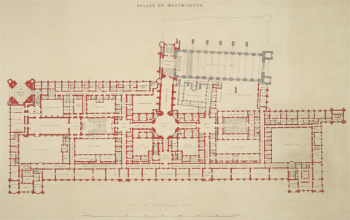
A complex project of cultural significance from full decant to EMI, opportunities and a potential a way forward.
Apprenticeships and the responsibility we share

Perspectives from the CIOB President as National Apprentice Week comes to a close.